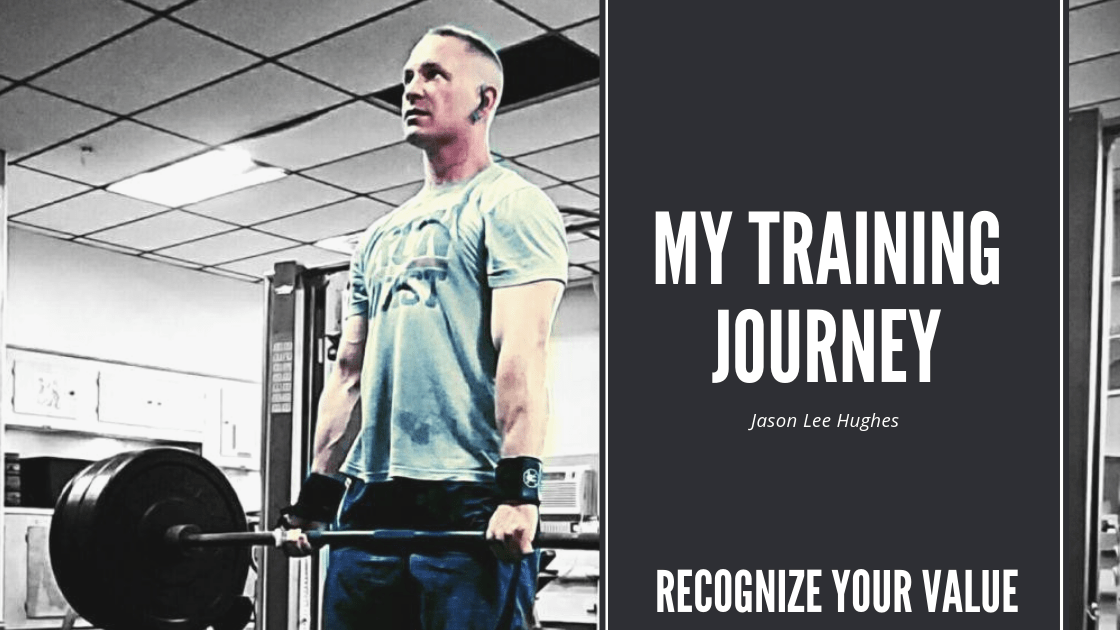
This blog is a massive step for me on my physical fitness journey. Despite being extremely shy and embarrassed about my body, I’ve always been highly motivated and energetic. Although I was a good swimmer, I didn’t even go to a pool until I was in my mid-thirties.
Growing up and being called “skinny, tiny, and a stick figure” used to bother me more than people realized. However, as I grew older–and more experienced in the gym–I learned how to harness that energy (negativity). This is not about me manning up or demonstrating my masculinity, nor is it seeking validation. In fact, this indicates that we “man up” by using negativity as a motivator and fuel to harness our potential. In other words, we battle the terrible stuff with a more productive attitude.
My train of thought did not serve me, and if anything, it held me back because I was focused on proving other people wrong and not proving anything to myself. This is my body and mind, not theirs. If I can flip my thought process, you can, too. I want to thank my beautiful wife for being the best influencer in my life. We don’t always train together, but when we do, it strengthens our goals and our relationship.
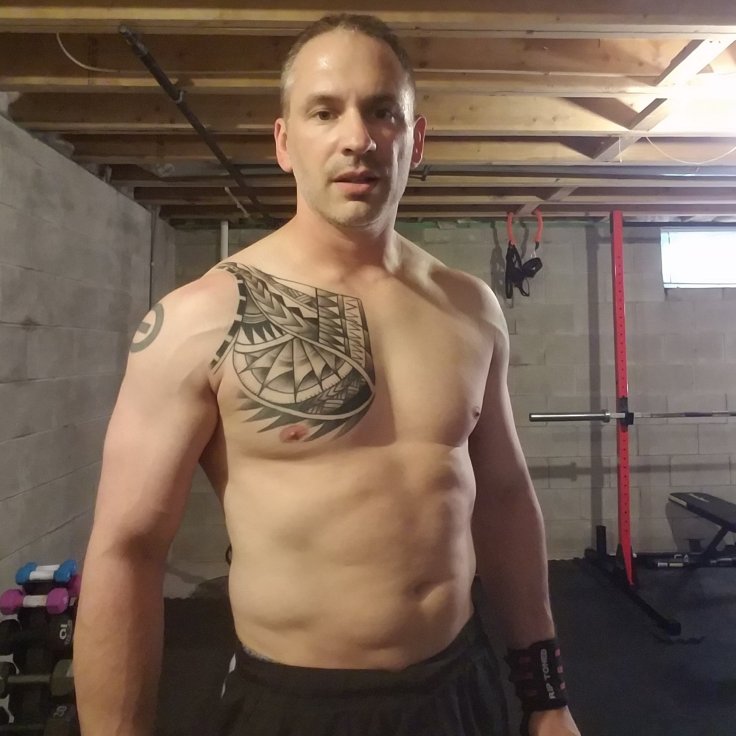
Age is just a number:
The above picture proves that age (40) is just a number and should never contribute to your fitness journey. You are never too old or young to start something. Make no mistake, though: We are always a work in progress, but you’ve got what it takes.
Ironically, I feel better at age forty than I did at age twenty-five. This is because, unlike when I was younger, I now have life experience to use as a reference. When I was younger, I did not understand what I was doing. I was just like everyone else when trying new training programs. When you’re younger, you don’t realize what works for other people might not necessarily work for you. You have to understand your body and respect what it likes and doesn’t like. Plus, your priorities will shift as you get older. I am not precisely running five to seven miles daily like I did in my twenties.
“Experience is what you get when you didn’t get what you wanted. And experience is often the most valuable thing you have to offer.” – Randy Pausch, The Last Lecture
How often do I train?
For a few years, I have used a six-day training plan. It looks like this:
- Monday = Train
- Tuesday = Rest
- Wednesday = Train
- Thursday = Train
- Friday = Train
- Saturday = Train
- Sunday = Train
Sometimes, I swap my day off with Wednesday. It all depends on how I’m feeling. I listen to my body.
“You know your body better than anyone else.”
Not listening to your body can be the number one contributing factor in you not reaching your fitness goal (or any goal). Injuries do not move the ball any closer to the finish line.
Internal battle:
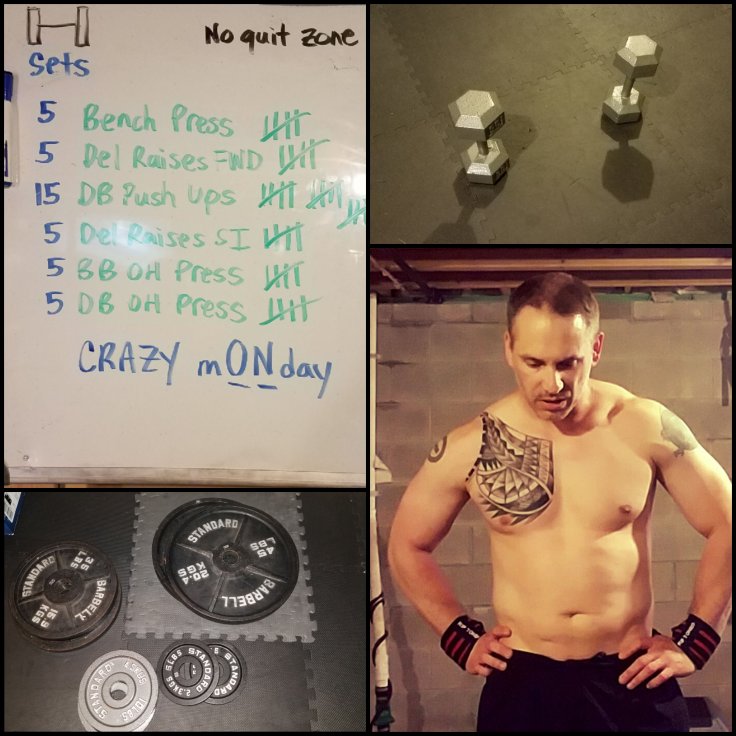
Training six days a week can be very challenging. As I age, my body reminds me I’m not twenty-five. There are many days when I find myself fighting off an internal battle called self-doubt. It doesn’t matter if you train, play a sport, work in sales, or make music for a living. At some point, you will encounter self-doubt.
Self-doubt is the voice of fear, anxiety, and indecision. When you’re not sure about the future due to your current path, your mind will take over and try to talk you out of it.
“Forget it, this is too difficult. You don’t have what it takes.”
This is how your mind convinces you to stay within your comfort zone. If you give in to self-doubt, it is a guarantee you won’t reach your goal or destination. Your confirmation bias will get the satisfaction of placing a ✔ next to the win column. You don’t want this because, once again, you have what it takes.

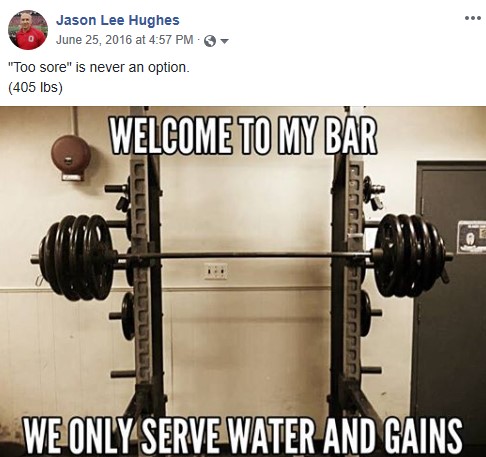
There have been several days when I just wanted to throw my hands up and quit. “Forget it; I don’t have the genetics for this,” I would think. Are genetics important? A little. They shouldn’t be my excuse, though. Plus, the weights don’t care how tall I am, how much I weigh, how strong I am, or how I feel on a particular day. 225 pounds on the barbell is still 225 pounds, regardless of my measurements and emotions.
Instead, I always reviewed my notes and figured out what to change.
- Training focus
- Hydration
- Healthy eating
- Supplements
If you don’t self-evaluate in a healthy way, how do you expect to get better?
What I’ve learned:
At the end of the day, physical fitness is an ongoing process. I used to get very discouraged about my progress because I never saw the expected results. The problem was that my grade card was random pictures of fitness experts, bodybuilders, and fit guys. I was looking at their results without respecting that, just like me, they had to start from scratch, too. Both men and women do this. We look up random pictures of someone and automatically assume we should look like them. This is not a healthy way to process information because it never offers the benefit of being satisfied; there will always be someone who looks better.
I had to shut down my negative thinking and remind myself, “This isn’t about everyone else’s journey; this is about my journey.” Once I could do that, I stopped looking for the things I didn’t like when looking in the mirror and started respecting my results. I can never be perfect, no matter how hard I try. Besides, if I was perfect, why even bother working out? At that point, what’s the objective?
Discover more from Jason Lee Hughes
Subscribe to get the latest posts sent to your email.

 Jason Lee Hughes
Great Blog entry!
LikeLiked by 1 person