Earlier today, I watched a Podcast interview of Joe Rogan interviewing former Navy Seal Andy Stumpf about Traumatic Brain Injury (TBI) and Suicide. As someone who works in the mental health field (Ohio Suicide Prevention Foundation) and has served in the military for 22 years, I enjoyed this video.
Disclaimer
I am not a medical professional. Therefore, please do not use this information as medical advice.
In 1990, while I was in the Infantry, we didn’t know much about TBI. At least, I didn’t. I can’t count how many times we would fire every type of weapon system you can think of without considering the ramifications of what we were potentially doing to our bodies, specifically the brain. I just assumed my head hurting while training in a field environment was a part of the job. Thankfully, I do not have any symptoms of TBI. But what about the men and women I served with?
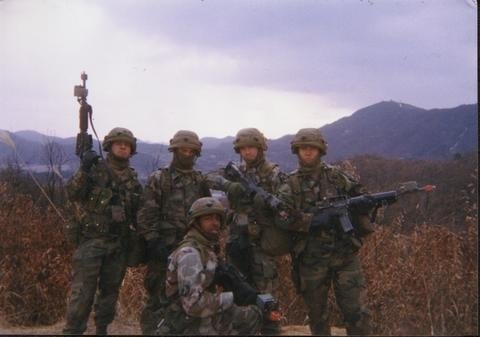
It makes me wonder, what kind of secondary and tertiary effects did we miss during WWI, WWII, the Korean War, the Vietnam War, and Desert Storm? Thankfully, Operation Enduring Freedom (OEF) and Operation Iraqi Freedom (OIF) led to us finally understanding the seriousness of TBI.
Traumatic Brain Injury and the Military
According to the Defense and Veterans Brain Injury Center (DVBIC), “Traumatic Brain Injury (TBI) is a significant health issue which affects service members and veterans during times of both peace and war. The high rate of TBI and blast-related concussion events resulting from current combat operations directly impacts the health and safety of individual service members and, subsequently, unit readiness and troop retention. The impacts of TBI are felt within each branch of service and throughout the Department of Defense (DoD) and the Department of Veterans Affairs (VA) healthcare systems.

In the VA, TBI has become a significant focus, second only to recognizing the need for increased resources to provide health care and vocational retraining for individuals diagnosed with TBI as they transition to veteran status. Veterans may sustain TBIs throughout their lifespan, with the most significant increase as they enter their 70s and 80s; these injuries are often caused by falls and result in high levels of disability.”
The U.S. Department of Veterans Affairs (VA) published an Injury Fact Sheet in 2018. I highly recommend that all veterans, service members, and their families read this to help them develop a better understanding of TBI.
Chronic Traumatic Encephalopathy (CTE)
Brainline states, “Chronic Traumatic Encephalopathy (CTE) is a brain disease found in athletes, military veterans, and others with a history of repetitive head impacts. This type of trauma can trigger progressive degeneration of the brain tissue, including the build-up of an abnormal form of protein called tau. Brain degeneration is associated with memory loss, confusion, impaired judgment, impulse control problems, aggression, depression, parkinsonism, and progressive dementia. These symptoms often begin years or even decades after the brain trauma or end of active athletic involvement. Currently, CTE can only be diagnosed after death.”
If you’ve been paying attention to the National Football League (NFL) over the last couple of years, you have probably heard about the study of CTE and what happens to its players after years of being hit in the head. For more about this 2017 study, visit NFL Issues Response to CTE Research Report.
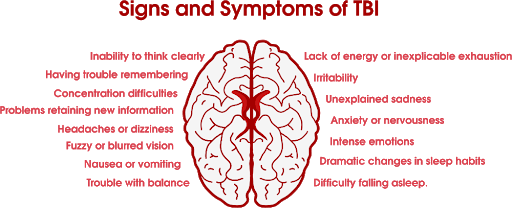
CTE symptoms affect how a person
- Thinks
- Feels
- Acts
- Moves
Bottom Line
Traumatic Brain Injury (TBI) symptoms, like signs of suicide, should never be ignored. “I’m just going to suck it up” is not a practical solution. If you or someone you know are experiencing signs of TBI, please seek medical assistance. Your physical and mental health matter.
Challenge
Share this information with a veteran or current service member. Below, you will find additional resources about this topic.
Resources
Discover more from Jason Lee Hughes
Subscribe to get the latest posts sent to your email.


Thanks Jason…you’re info really helps.
LikeLike