I recently had the honor of participating in an interview (using the Zoom platform) with NBC4 WCMH-TV in Columbus, Ohio. The focus of the interview was on mental health and our veterans.
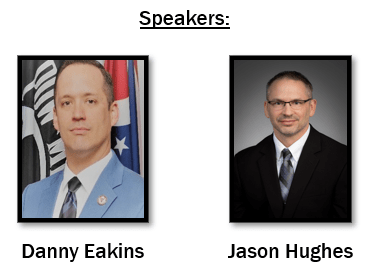
Danny Eakins (Department of Veterans Services) shared his personal story about mental health while serving in the United States Army (Active Duty) and the Ohio Army National Guard (OHARNG). My role (Ohio Suicide Prevention Foundation) was to discuss how to identify Post Traumatic Stress Disorder (PTSD), the 2018 Veterans Data (Note: The U.S. Department of Veterans Services looks at this data on a 2-year cycle. Meaning the 2019 data should publish in Spring of 2021), what ages are impacted the most, and how to ask the difficult (direct) question: “Are you thinking about suicide?”
Here is the YouTube version of the video published by NBC4 WCMH-TV:
I want to thank everyone at NBC4 WCMH-TV for their professionalism and compassion for this topic. I also want to thank Danny for having the courage to share his story. I believe it will empower other veterans to seek resources and open up about their mental health.
1 and 5 people will have a mental illness at some point in their life.
The Ohio Suicide Prevention Foundation collaborates with the Ohio Army National Guard, the Ohio Governor’s Challenge Team, OhioCares, the Ohio Department of Veterans Services, the U.S. Department of Veterans Affairs, and veteran-related community partners to help bridge the gap between individuals serving in the military and those having left military service, while striving to educate, advocate, and connect them with the necessary resources to facilitate their mental health needs.
Language: Words Matter
We update our phones, applications, and our computers. But ask yourself this – when was the last time you updated your language? It matters.
What not to say: “John committed suicide.” Committed is a word we should no longer use when discussing this topic. You commit to playing football at the Ohio State University. You commit to meeting up with your friends after work. We don’t want to make a commitment to cause bodily harm or worse. (Note: Hattie Hawks used this word at the end of the video but probably didn’t even realize she said it. This validates how difficult it can be to update our language.)
Alternative: “John died by suicide.”
What not to say: “You’re not thinking about doing something crazy, are you?” This question potentially minimizes how someone feels and insinuates that if they are suicidal, they must be crazy. This is not helpful and could affirm how they are feeling about themselves.
Alternative: “Are you thinking about suicide?” (Direct question)
What not to say: “I want to help fix you.” You fix your car or a broken watch. You don’t fix people. Fix insinuates people are broken. People are more complex than this.
Alternative: “I would like to help you by connecting you with some resources.” This statement affirms they are part of this process. (Empowerment)
Be cognizant of WHY questions

- “Why did you do that?”
- “Why did you react like that?”
- “Why are you crying over something like this?”
- “Why are you upset about something so insignificant?”
Why questions can make people feel very defensive and are considered counterproductive when trying to help someone. Try replacing Why with How questions: “How did that make you feel?” How questions focus on a non-judgmental approach.
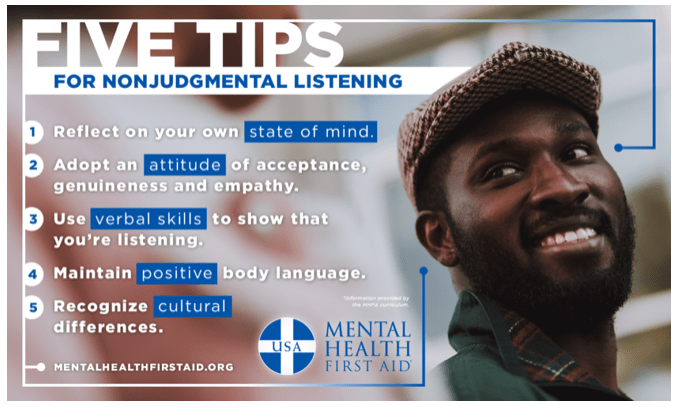
How to ask: Be Direct
- “I’ve noticed _________________, and I am concerned.”
- “Are you thinking about suicide?”
- “Thank you for telling me. You are not alone.”
(Ask without judgment)
Things to consider about mental health
- 1 in 5 people will have a mental illness at some point in their life. (CDC)
- 1 and 25 have a serious mental illness (schizophrenia, bipolar disorder, etc.) (CDC)
- 41% of people with a mental illness use mental health services in any given year. (National Council for Behavioral Health)
- The effects of mental illness can be temporary or long-lasting. (Mayo Clinic)
- Mental health stigma is an issue because of various reasons:
- People make jokes about it.
- People downplay it.
- For military service members or veterans, the old-school myth: “Asking for help is a sign of weakness.”
- People exaggerate by spreading false information like, “If your employer knows about your mental illness, your career is over.” The Americans with Disabilities Acts (ADA) protects employees from discrimination based on a disability – including mental illnesses like depression or anxiety.
If you are having suicidal thoughts
- Call 911 or your local emergency number immediately.
- Call your mental health specialist.
- Call a suicide hotline number. Call the Veterans Crisis Line at 1-800-273-8255 and Press 1 or Text 838255. National Suicide Prevention Line.
- Seek help from your primary care provider.
- Reach out to a close friend or loved one.
Additional Mental Health content
Discover more from Jason Lee Hughes
Subscribe to get the latest posts sent to your email.

 Jason Lee Hughes