
I have spent several years studying ancient philosophy, and I love applying the principles of Stoicism to every aspect of my life (past, present, and future). It is worth noting that the modern definition of Stoicism implies that one is emotionless and unfeeling, which is different from what the ancient Stoic philosophers, such as Zeno, intended. The philosophies of this ancient school were more nuanced and complex than that.
Stoicism teaches the development of self-control and fortitude as a means of overcoming destructive emotions. It doesn’t mean a man or woman should never cry or brush off all feelings when facing adversity.
Marcus Aurelius
My favorite people to study are Marcus Aurelius (Last of the Five Good Roman Emporers), Seneca, and Epictetus. Everything we’ve recorded about them resonates with my personality and values.
There’s a famous story about Marcus Aurelius during his earlier days before he became the emporer of Rome. One of his favorite teachers died, and Marcus Aurelius cried about it due to his love and respect for this man. Eventually, he was approached by one of the other Stoic teachers, who said, “Look, you need to stop crying about this kind of thing. This is not how a man should behave.” Emporer Antoninus Pius (his adoptive stepfather) replied, “Let the boy be human. Philosophy and empires don’t take away human emotions.” This example destroys the modern belief that men or women should be emotionless. At the end of the day, we’re all human.

One of my all-time favorite books is Meditations by Marcus Aurelius. The ironic thing about this book is that he never attended it to be published because these were his thoughts in the form of a diary or journal. I read it at least once a year and discover something new and insightful every time. What I find fascinating about Meditations is that he wrote it while serving on the front lines of the wars with Parthia (161-166) and Germanic tribes (166-180). Not to mention having to navigate the challenges of dealing with the Antonine Plague (165-180) that killed 5-10 million (estimated) people.
The first thing Marcus Aurelius did with absolute power was give half of it to his stepbrother Lucius Verus. It would have been easy for him to behave like a Julius Ceasar or Gaius Octavian (Augustus Ceasar) and have him killed since his very existence threatened his position. But he didn’t because that was the kind of man Marcus Aurelius had grown to be thanks to the mentorship of Antonius Pius and Hadrian.
Through all this, Marcus Aurelius constantly reminded himself that war, the Antonine Plague, and the difficulties that came along with the responsibility of being the Emporer of the most powerful empire in the world were part of his journey.
The impediment to action advances action. What stands in the way becomes the way.
– Marcus Aureilius
Meditations
Author – Marcus Aurelius and Gregory Hays (Translator)
Pages 256
How did this apply to Marcus Aurelius?
- His men constantly required logistics to maintain wartime operations: it is the way.
- His responsibilities in Rome did not stop while on the front lines of the war with Germanic tribes: it is the way.
- He equally shared power with his stepbrother Lucius Verus: it is the way.
- Six of his children died during the Antonine Plage: it is the way.
The impediment to action advances action. What stands in the way becomes the way. No form of adversity would change the fact that Marcus Aurelius was still the Emporer, and he needed to take action despite the risk. He had the discipline to know that even though most of his circumstances were not his fault, they were still his problem. If he had hesitated, complained, relied on external factors to correct the situation, or asked himself, “Why me?” the Roman empire would have probably ended sooner.
Today I escaped anxiety. Or no, I discarded it, because it was within me, in my own perceptions — not outside.
– Marcus Aurelius
How does this apply to you?
- You woke up later than you planned: it is the way.
- A guy cut you off on your way to work: it is the way.
- The weather is not what you expected: it is the way.
- Something went wrong during your PowerPoint presentation: it is the way.
You have power over your mind, not outside events. Instead of stressing about the situation or waiting for something external to save the day, realize it doesn’t have to upset you because what stands in the way becomes the way. It didn’t happen to you; it happened because your training has prepared you for it.
What ought one to say then as each hardship comes? I was practicing for this, I was training for this.
– Epictetus
A similar way to view this example is through the writings of Seneca. “A gem cannot be polished without friction, nor a man [woman] perfected without trials.” That hard day at work prepared you to make better decisions the next time you work on a project with multiple requirements.
Other books I recommend
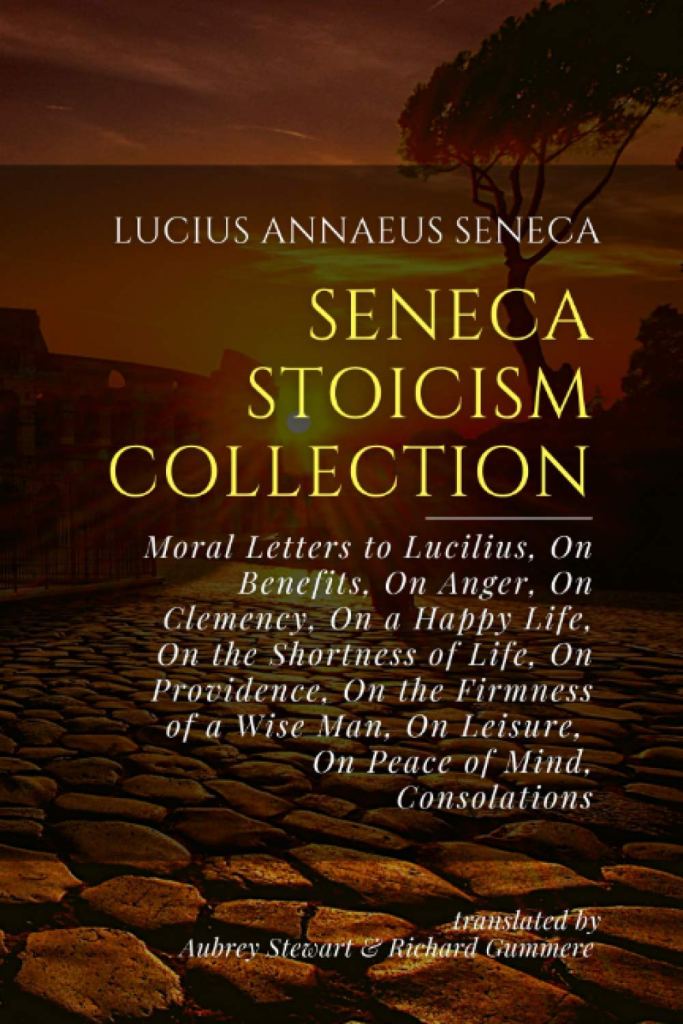
Seneca Stoicism Collection
Author – Lucius Annaeus Seneca
Pages 648
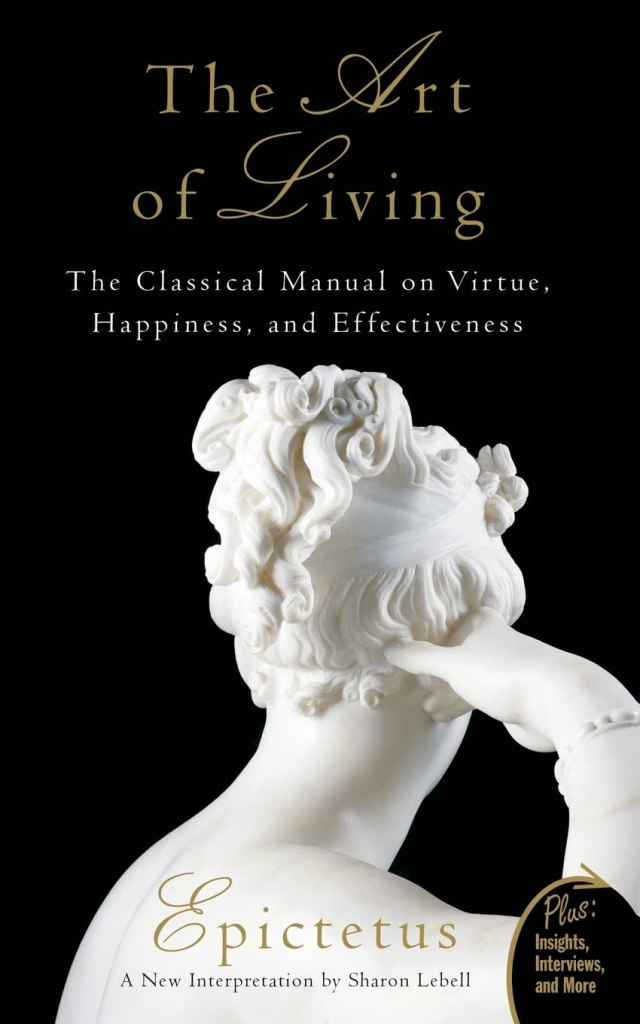
The Art of Living
Author – Epictetus and Sharon Lebell (Translator)
Pages 144

Epictetus: Discourses and Selected Writes
Author – Epictetus and Robert Dobbin (Translator)
Pages 304
Videos About Stoicism
Tim Ferris is an American entrepreneur, investor, entrepreneur, author, podcaster, and lifestyle guru.
Podcast: The Time Ferris Show
Ryan Holiday is an American author, modern Stoic, public-relations strategist, owner of the Painted Porch Bookshop, and host of the podcast The Daily Stoic.
Podcast: The Daily Stoic
Discover more from Jason Lee Hughes
Subscribe to get the latest posts sent to your email.

 Jason Lee Hughes